
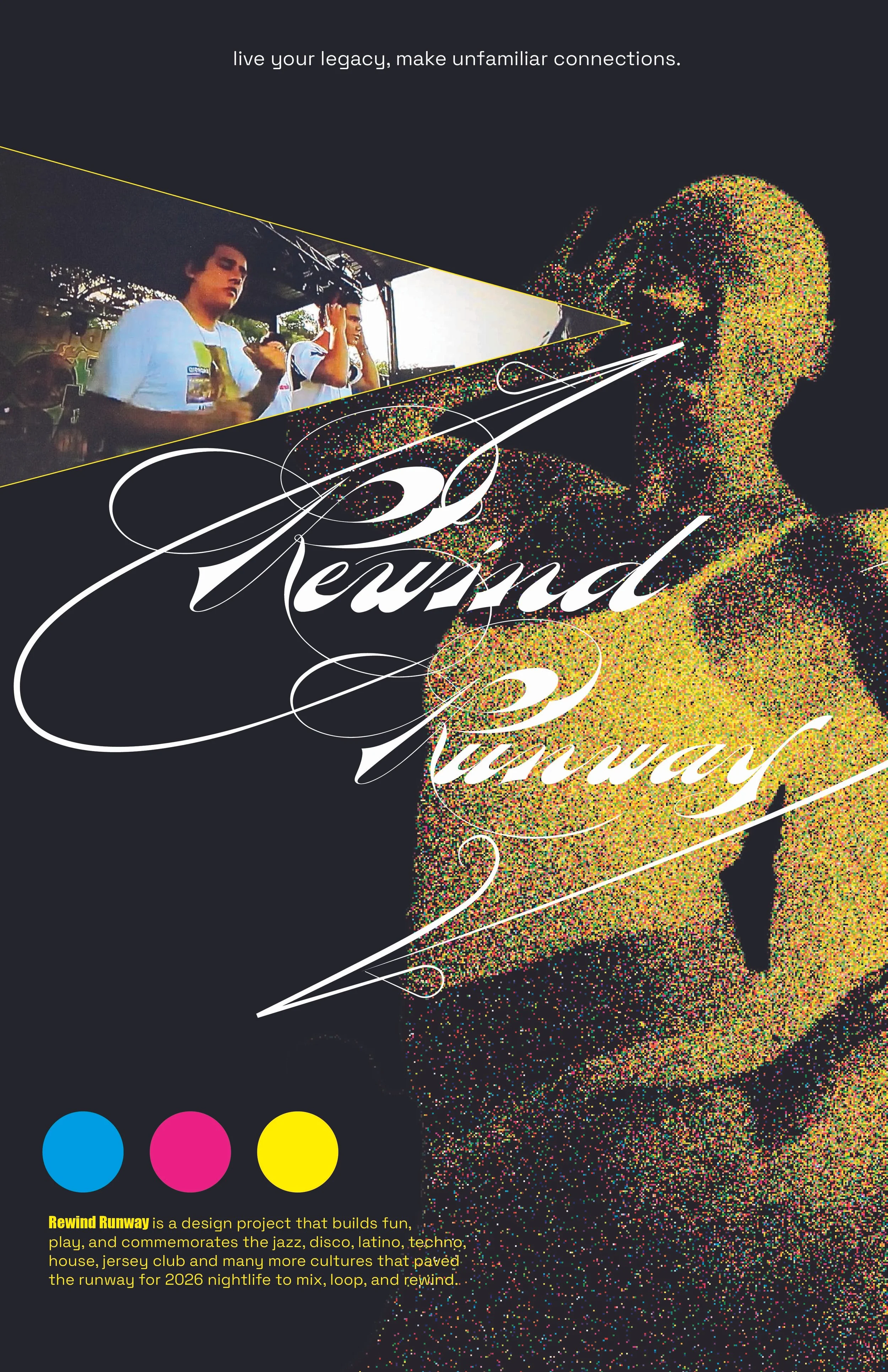
Rewind Runway
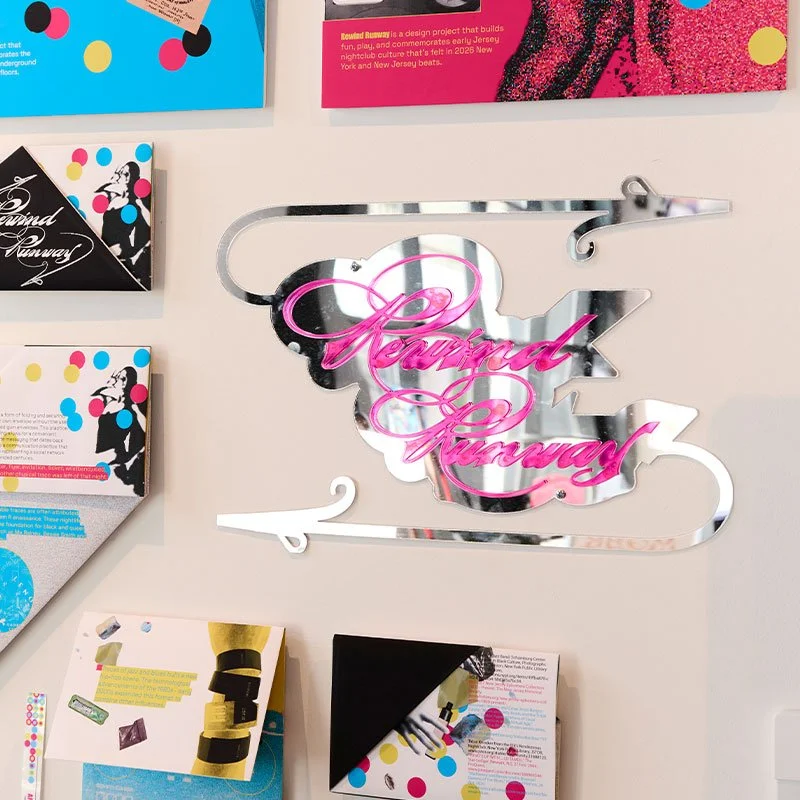
Nightlife and party culture has become a central staple of American culture out of an absence of social institutions. This structure allowed it to be a catalyst for social change in history through the congregation of marginalized groups (i.e. African Americans, immigrants, Hispanic/ Latino communities, LGBTQ+ communities, working class, etc.) outside of mainstream business. Consequently, these groups built the foundation for what nightlife can be today not just as an institution, but a culture with music, fashion, and its own subcultures both in and out of the mainstream. Today, the digitization of society has reestablished the necessity of congregation to be less about connection and more about performance. This extends beyond just the social fabric of nightlife but has become the central pillar of society’s desire for engaging in the party culture. Rewind Runway seeks to acknowledge the legacy of these social connections which established this culture particularly in New York City and New Jersey for their key roles in the scene. This project will rewind the condition of the current culture by capturing moments and subcultures that help keep it alive.
All content is self produced and or sourced from the Rutgers Newark Library Archives.
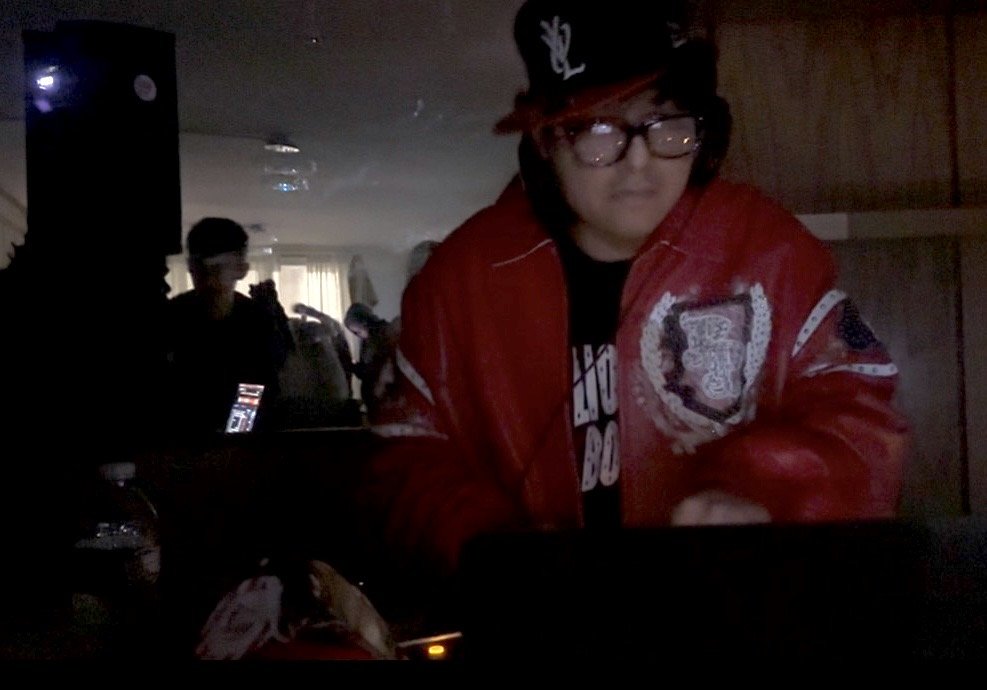
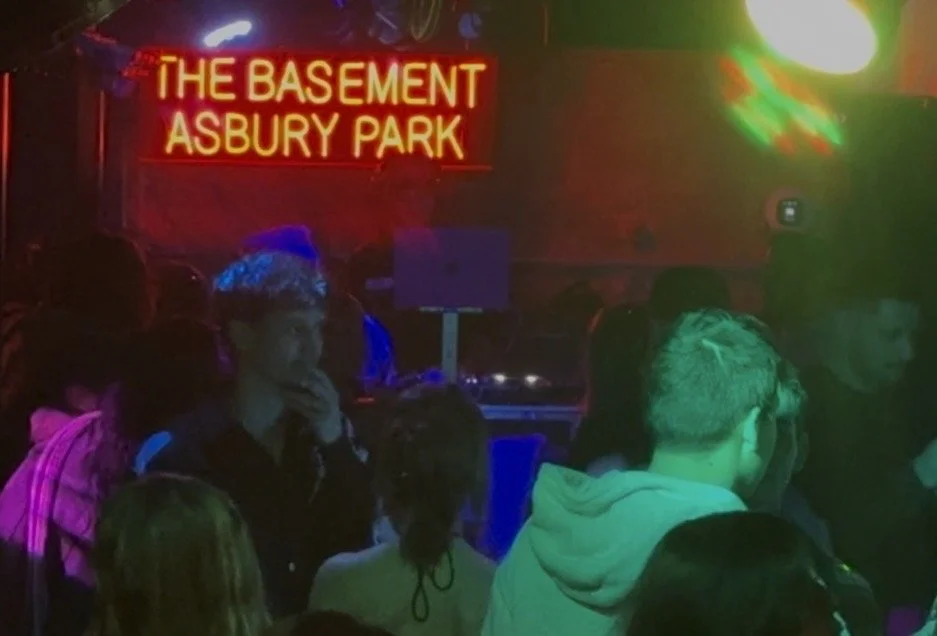
In initiating this process I developed a system of documentation in which I made it a point to visit both popular institutions and also divulge into the underground party scene. In order to find these spaces I relied mainly on word of mouth and personal connections I held in the DJ/ clubbing scene. Each night entailed finding a function, talking to everyone and anyone, and seeing each night the whole way through in order to capture every moment including the remnants of trash and ephemera left behind every night.
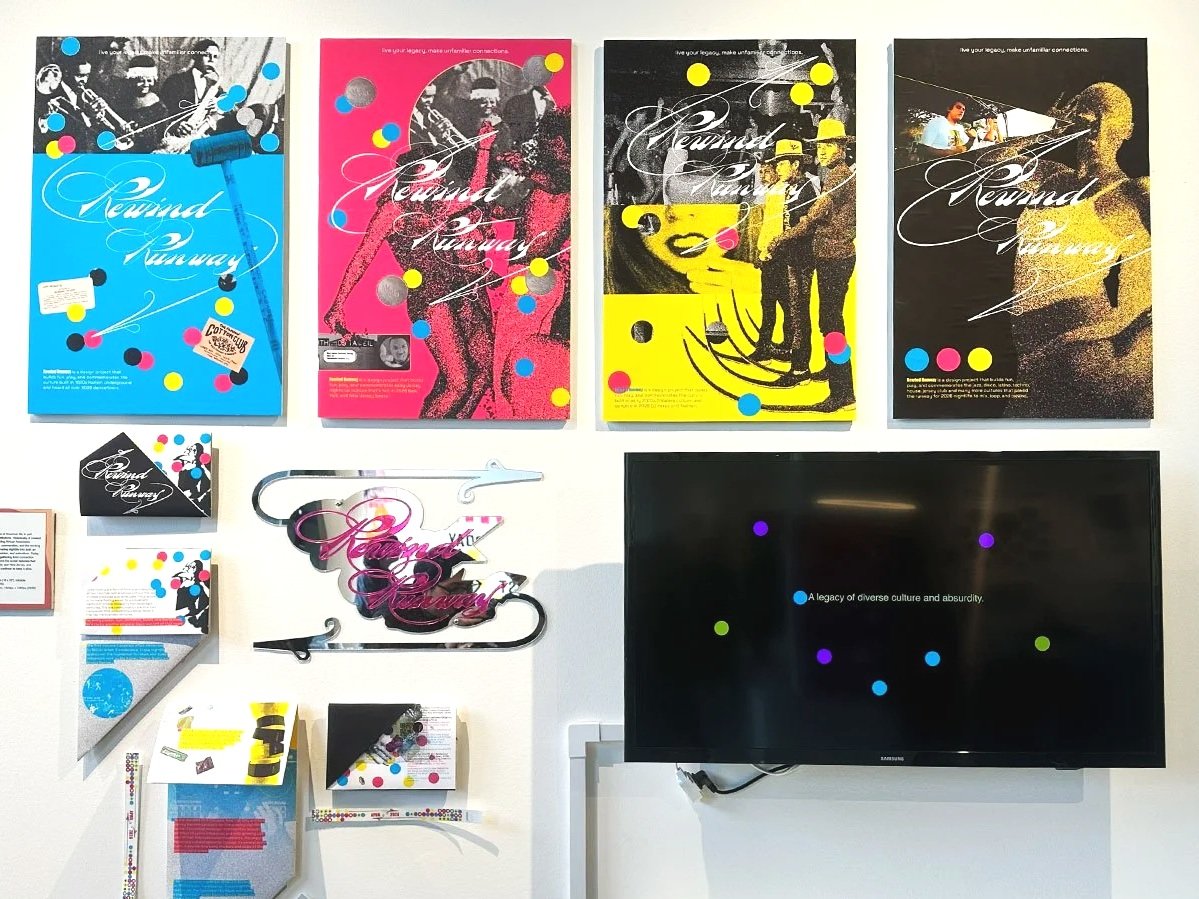
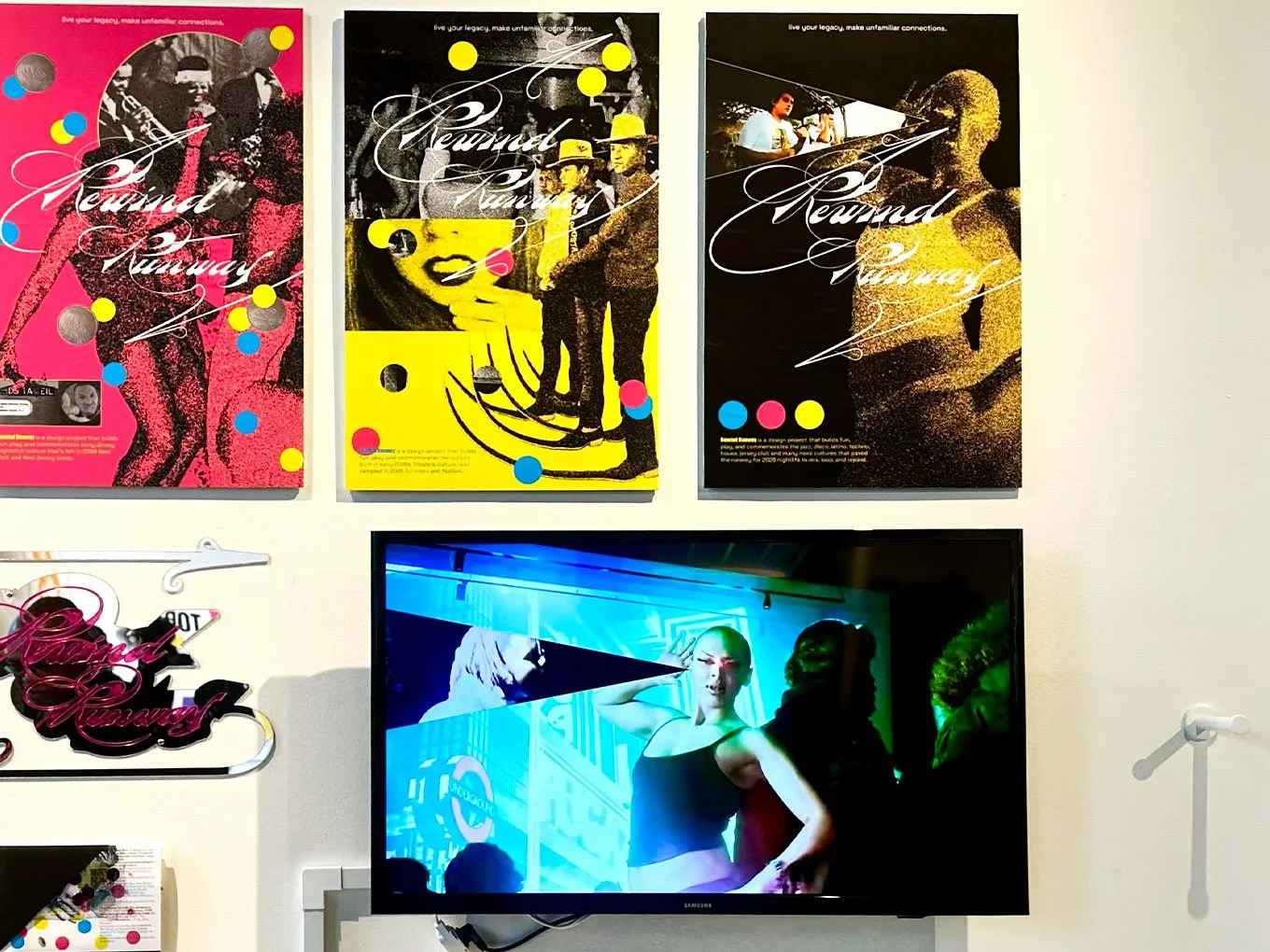
This work was part of the 2026 ACM Senior Capstone Graphic Design Exhibition at Project for Empty Space at Ironside Newark. The exhibition titled, Tracework, explores the theme of legacy as it pertains to cultural, social, environmental, and personal imprints that shape our present and inform our future.
The exhibition involved a semester long transmedia project across a class of 24 students.
Research Process
Medium 1: Physical Traces of the Party (print series)
Letterlocking
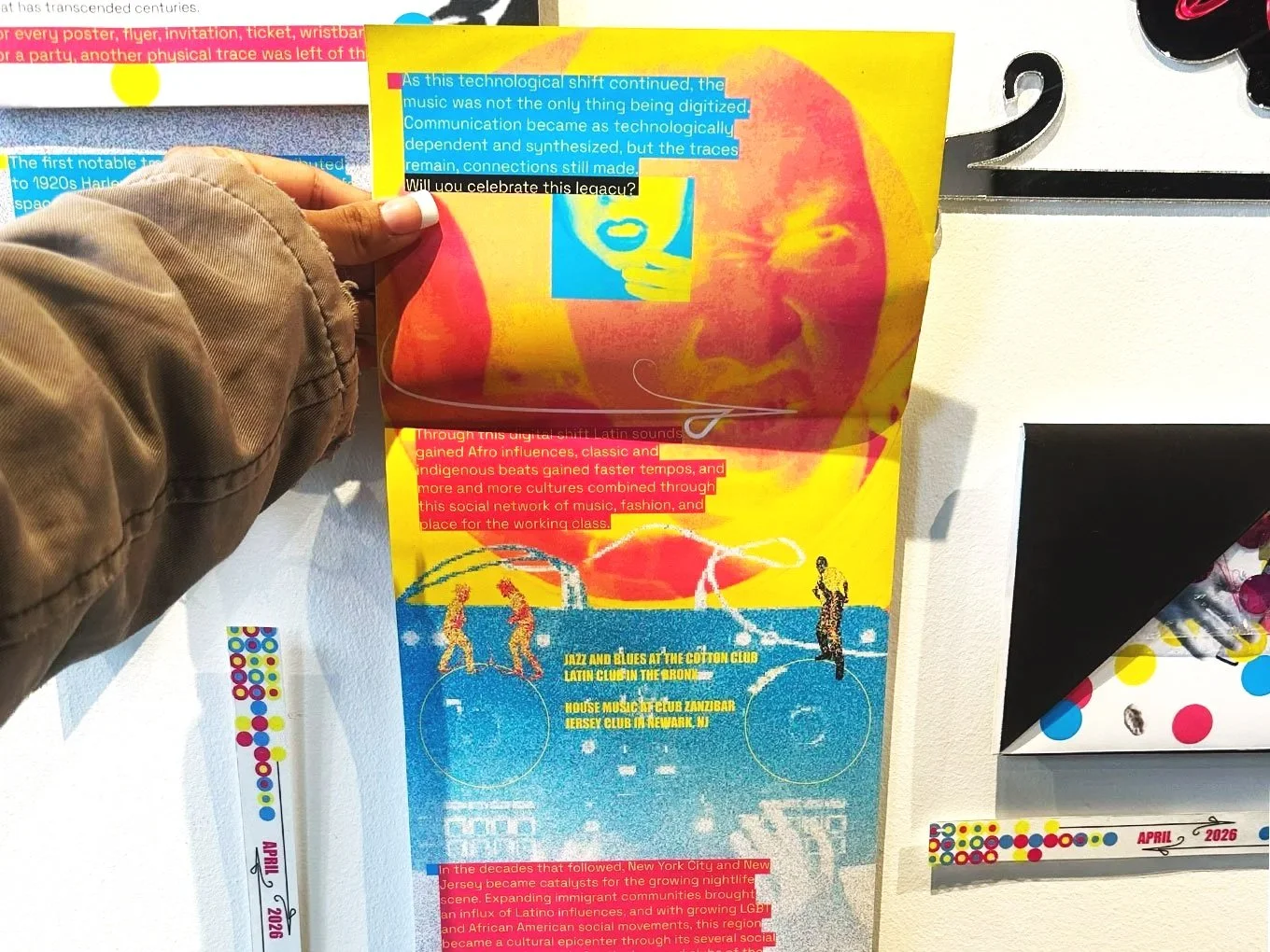
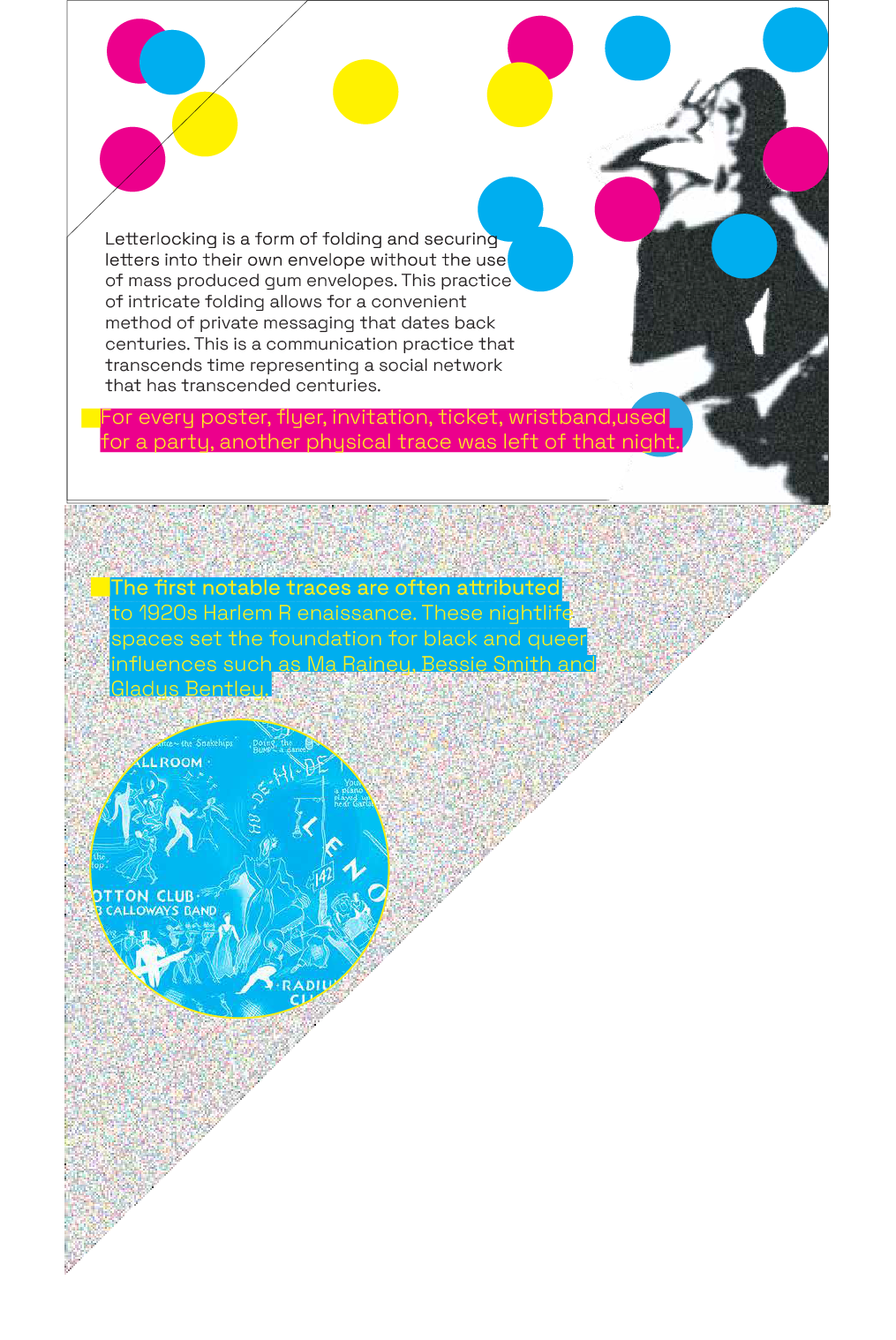
Letterlocking is a practice that involves a series of intricate folds in order to secure a a hidden message within these folds. This method has historically been used as a cheap and easy way of securing the contents of a letter without an envelope and maintaining privacy, making it a convenient approach in forming mass social networks using physical media.
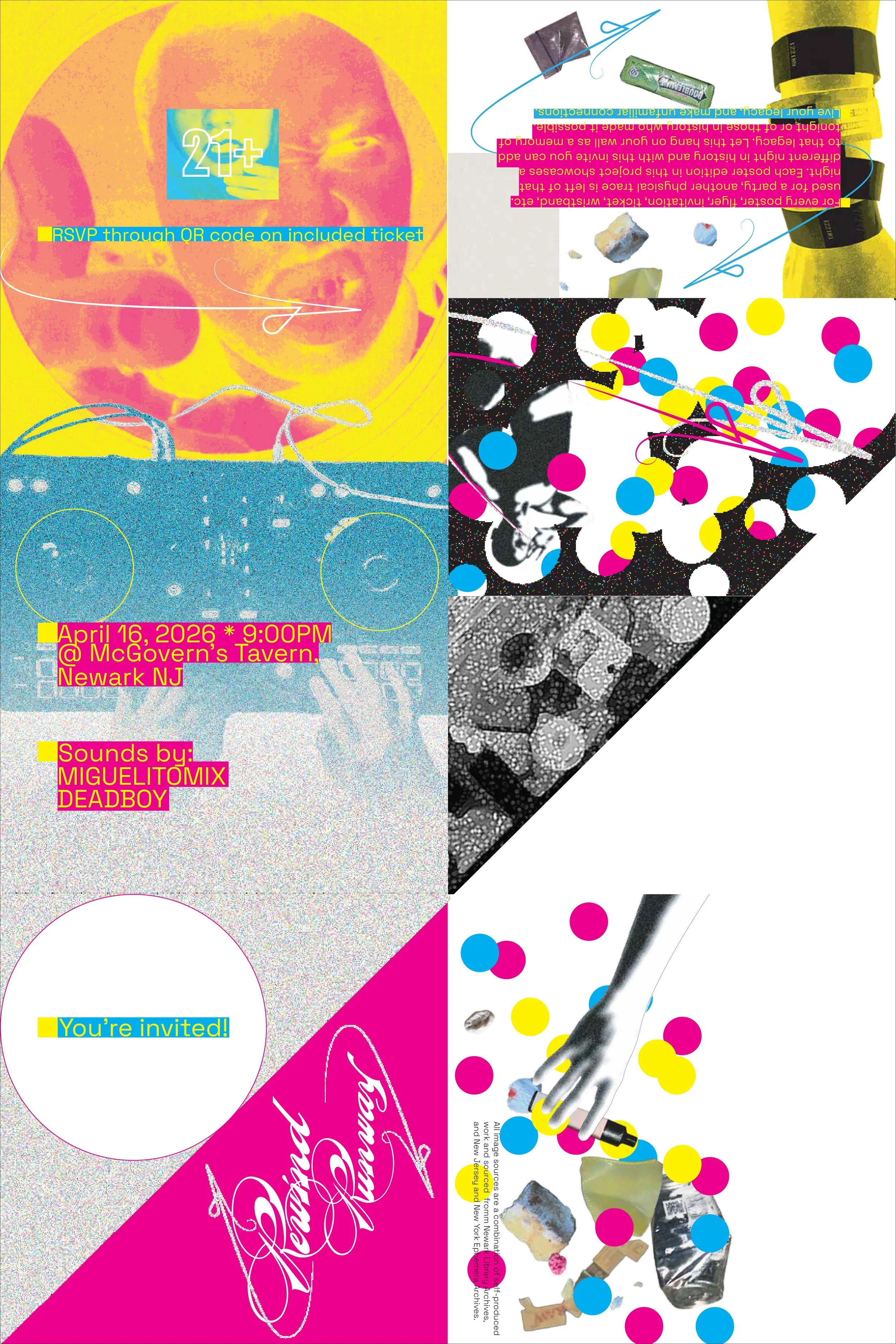
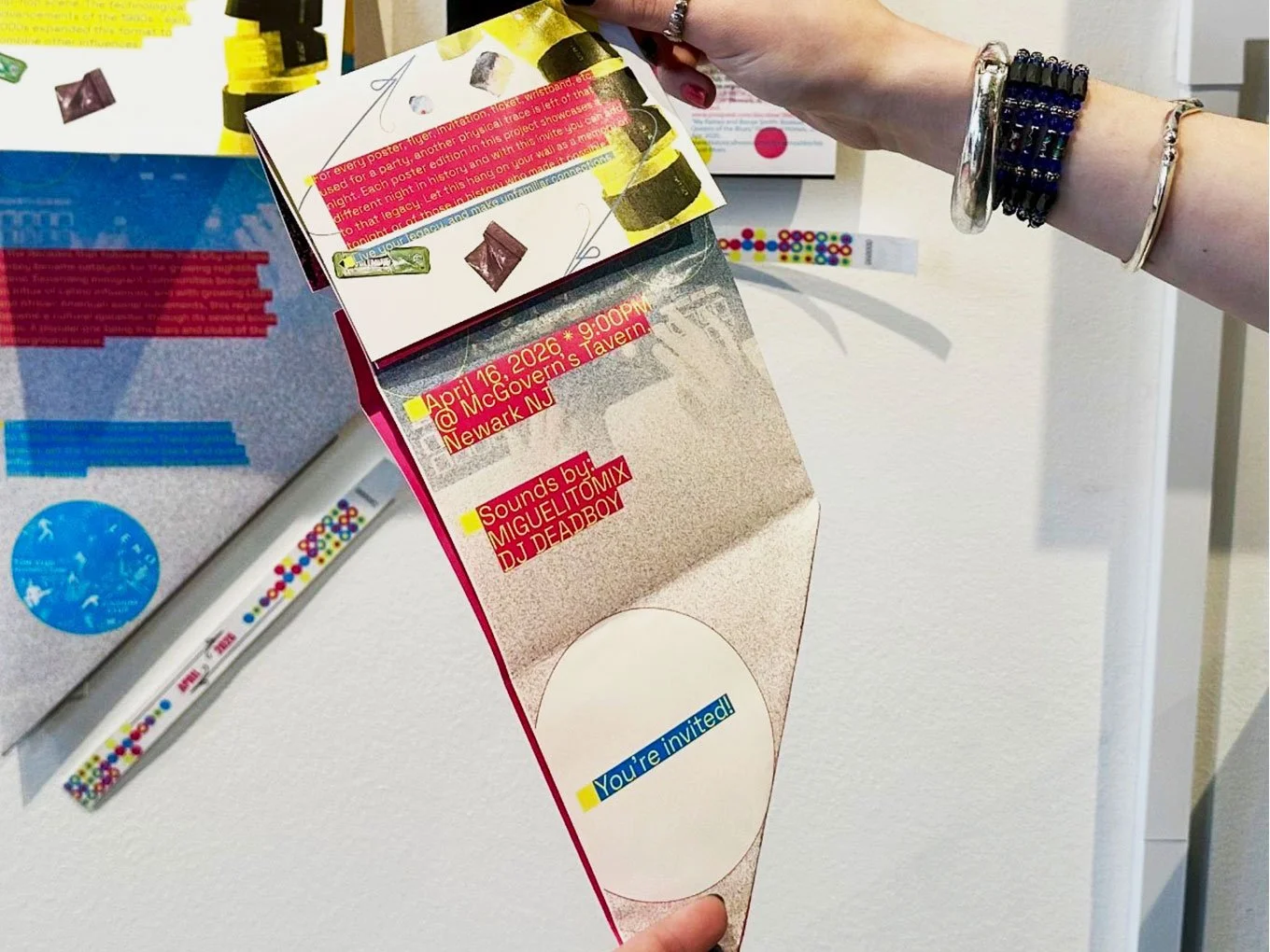
In this application, I used this practice in order to create a system of communication for my poster series. The format of a letterlocked foldable implies a relationship of exchange, informing the manner in which each poster in this series is shared and received. As such, the featured foldable was recreated to serve as a takeaway/ invitation with information to a real life party.
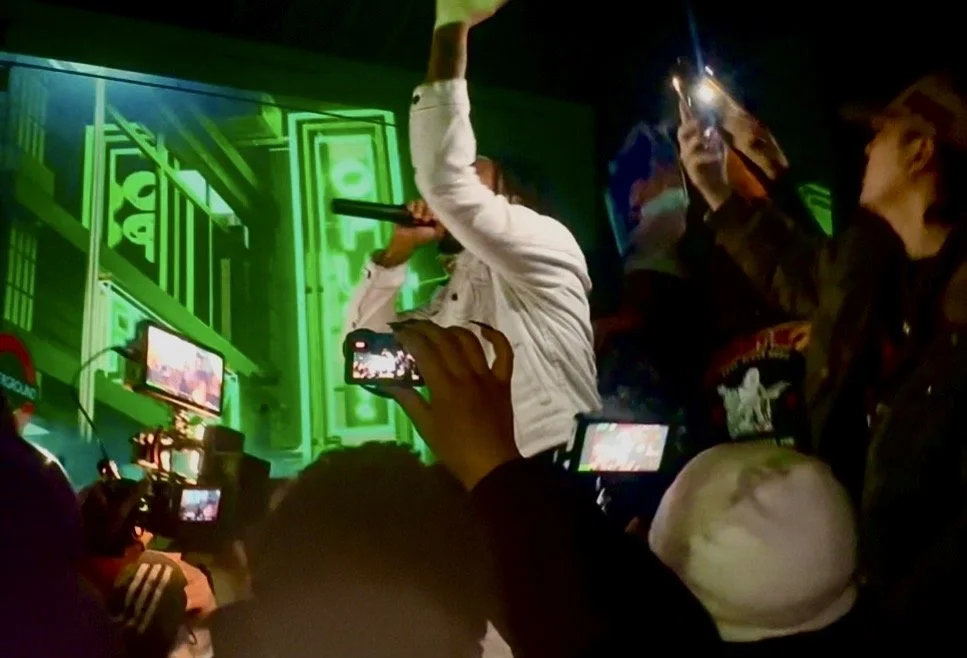
Beginning this project, I wanted to approach it as I had in previous works: through the process of site research. In order to accumulate both the visual and written content of the project, I spent every weekend of the spring semester visiting several clubs and bars throughout New Jersey and New York City.
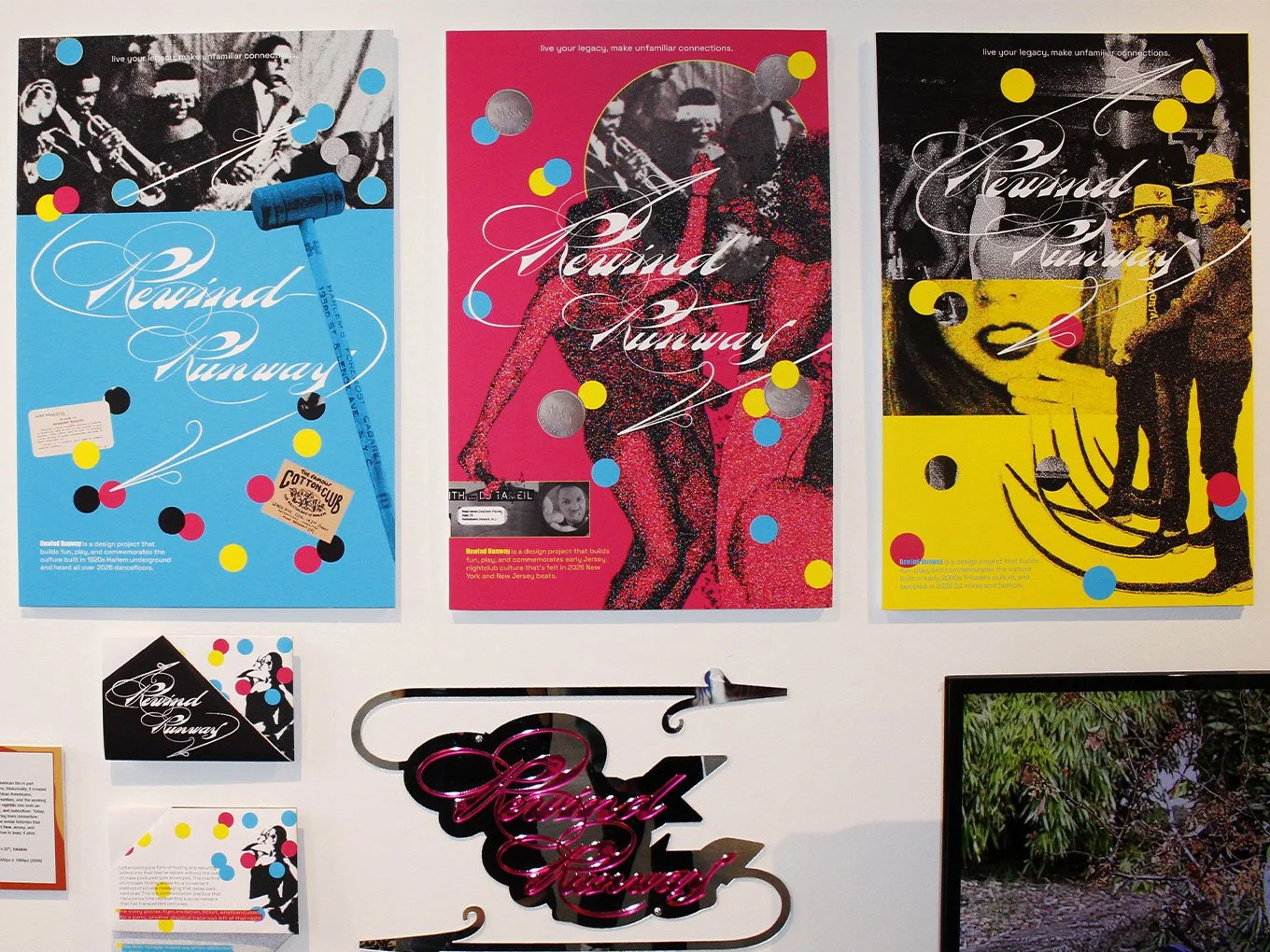
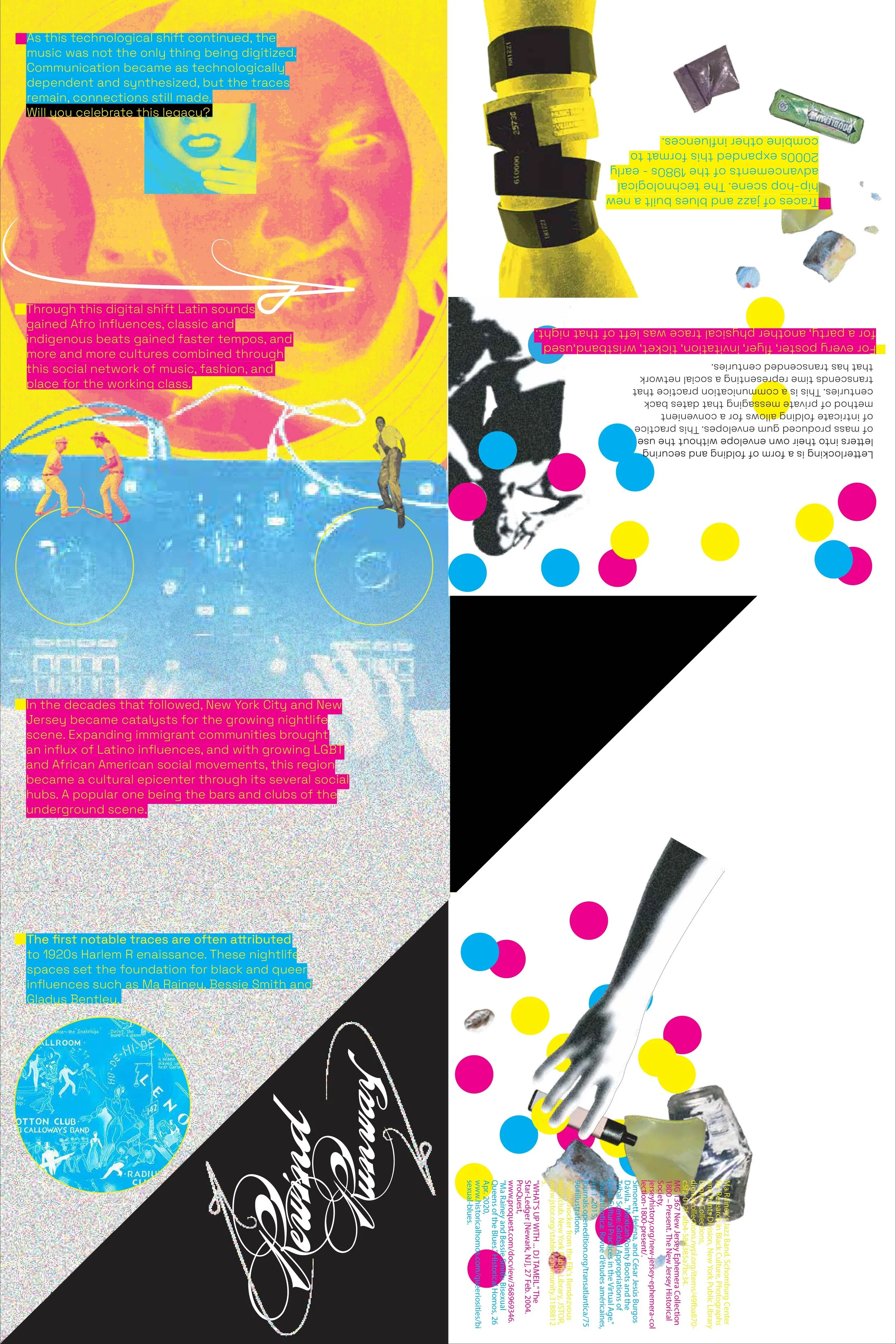
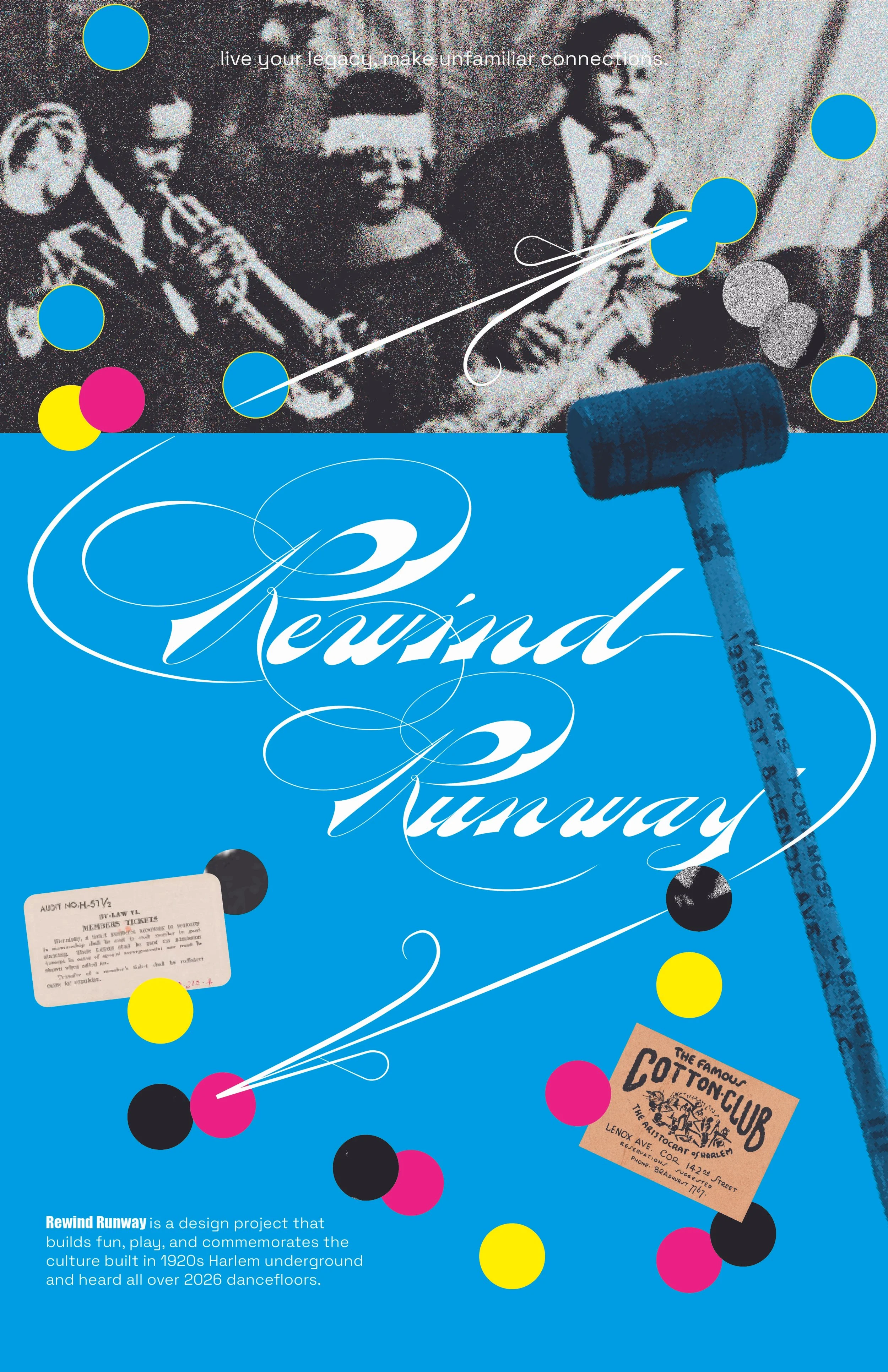
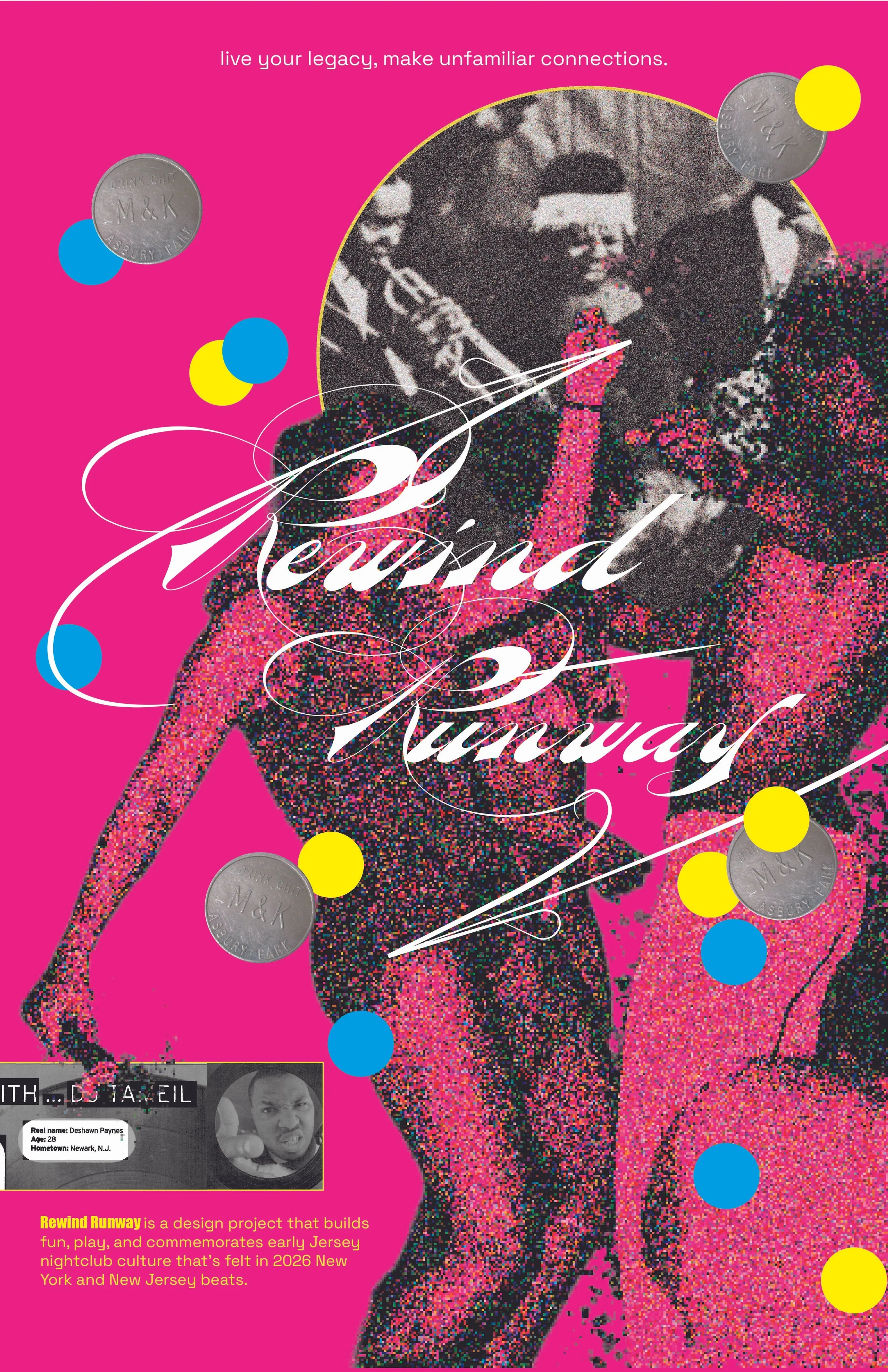
The nature of the letterlocked foldable allows this poster series to exist as a collectible item from my exhibition, with each foldable containing a different poster that is only unveiled on the last fold out of the letterlock.

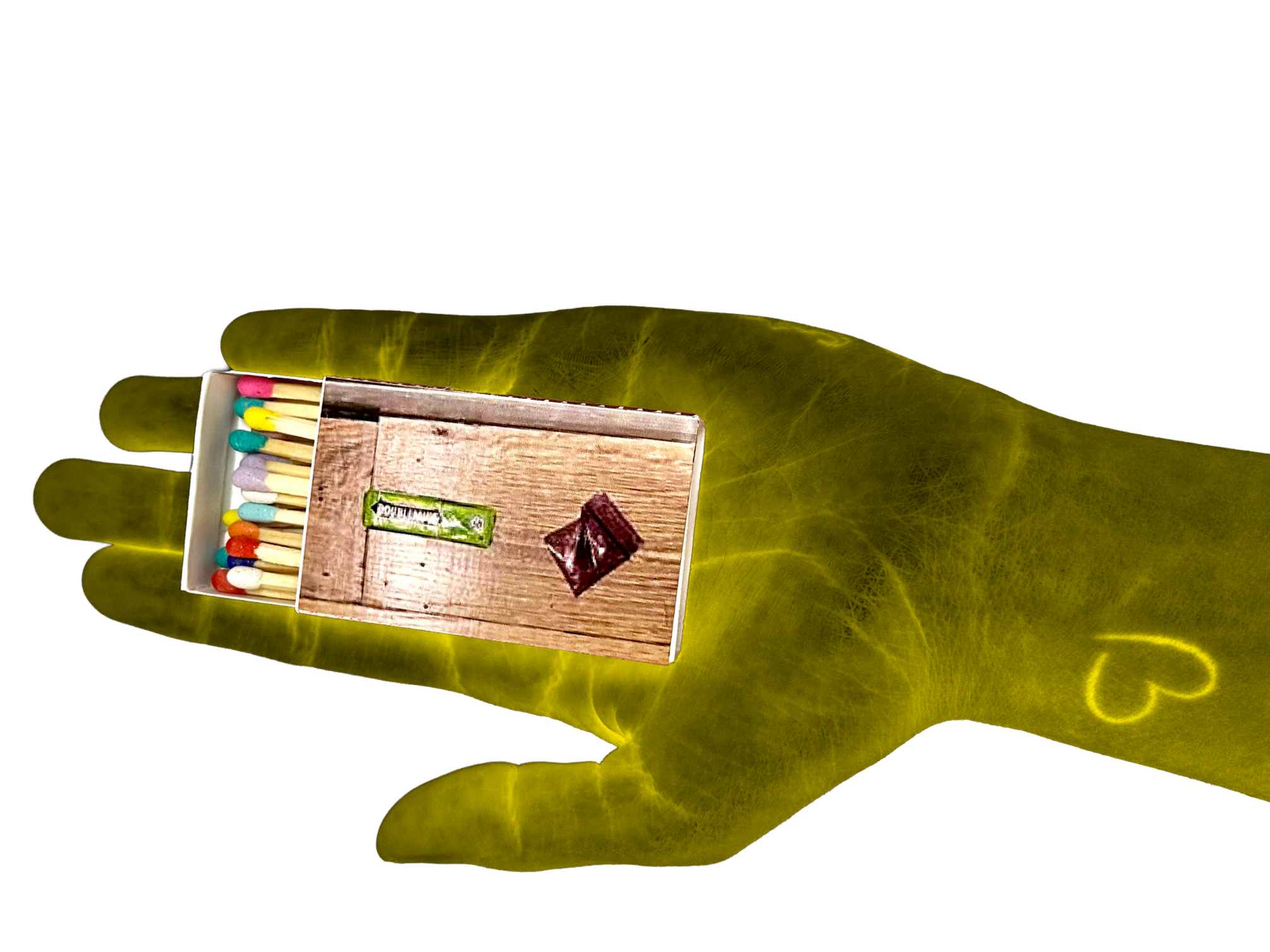
Matchboxes
Building upon the theme of making connections, I designed a series of matchboxes for takeaways with the intention of these becoming a conversational piece in any smoking area of a party or event. Each box contains a picture of the trash I captured at the end of every night from my site-research, alluding to the absurd traces which exist in every facet of a night out.
For every party and night out there are physical traces left all over that show signs of the excitement that once took place. Among those traces are invitations, posters, tickets, wristbands, and discarded bottles/ trash. This medium encapsulates the narrative of nightlife into these listed materials through a print series. Letterlocked foldables that contain a collectible poster series unfold to showcase information about the history and nuance of my design. Additionally, a second version of the foldables are displayed for takeaways as invitations to a real-life afterparty that took place at a local college bar on the night of the exhibition.
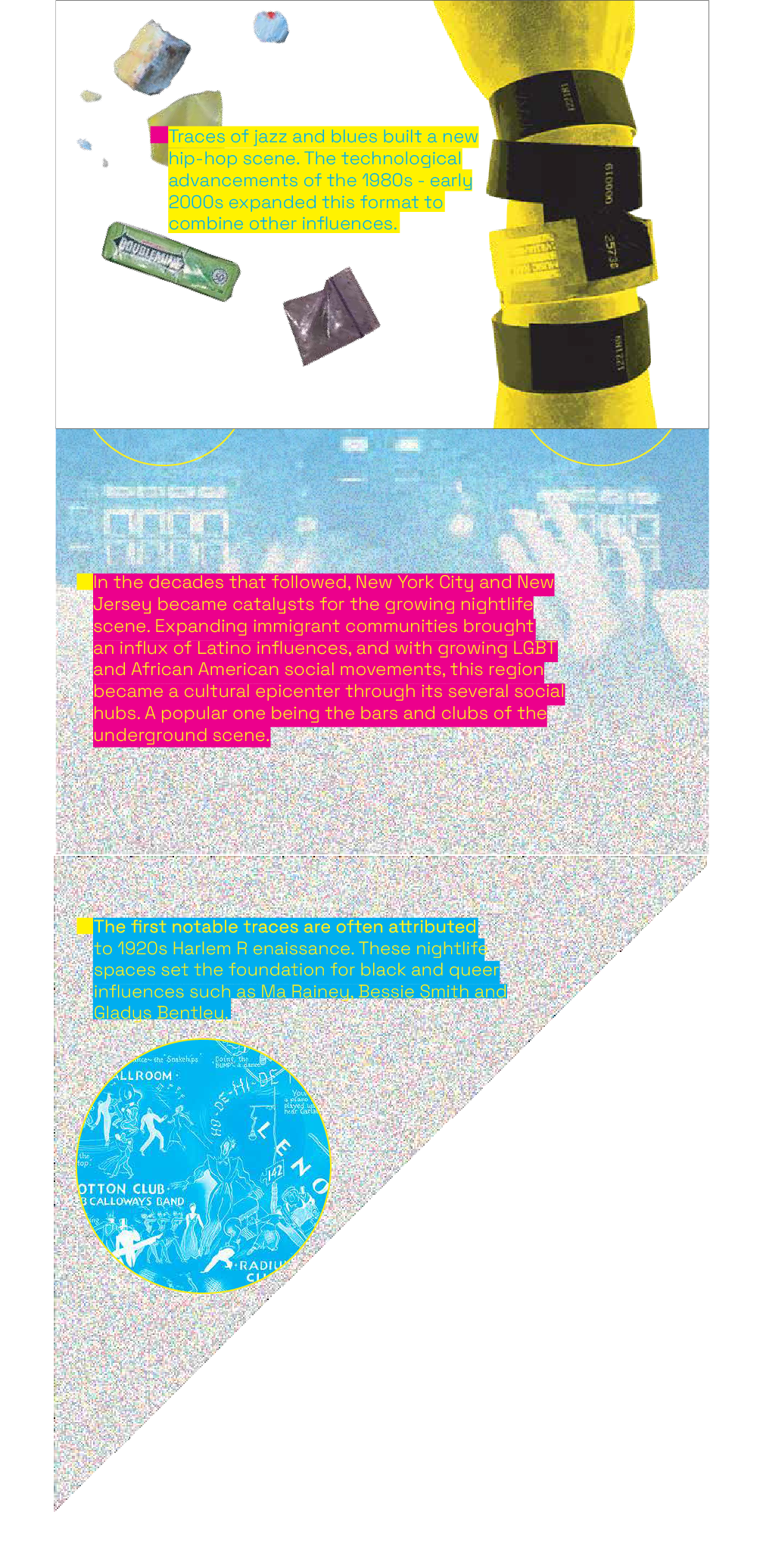
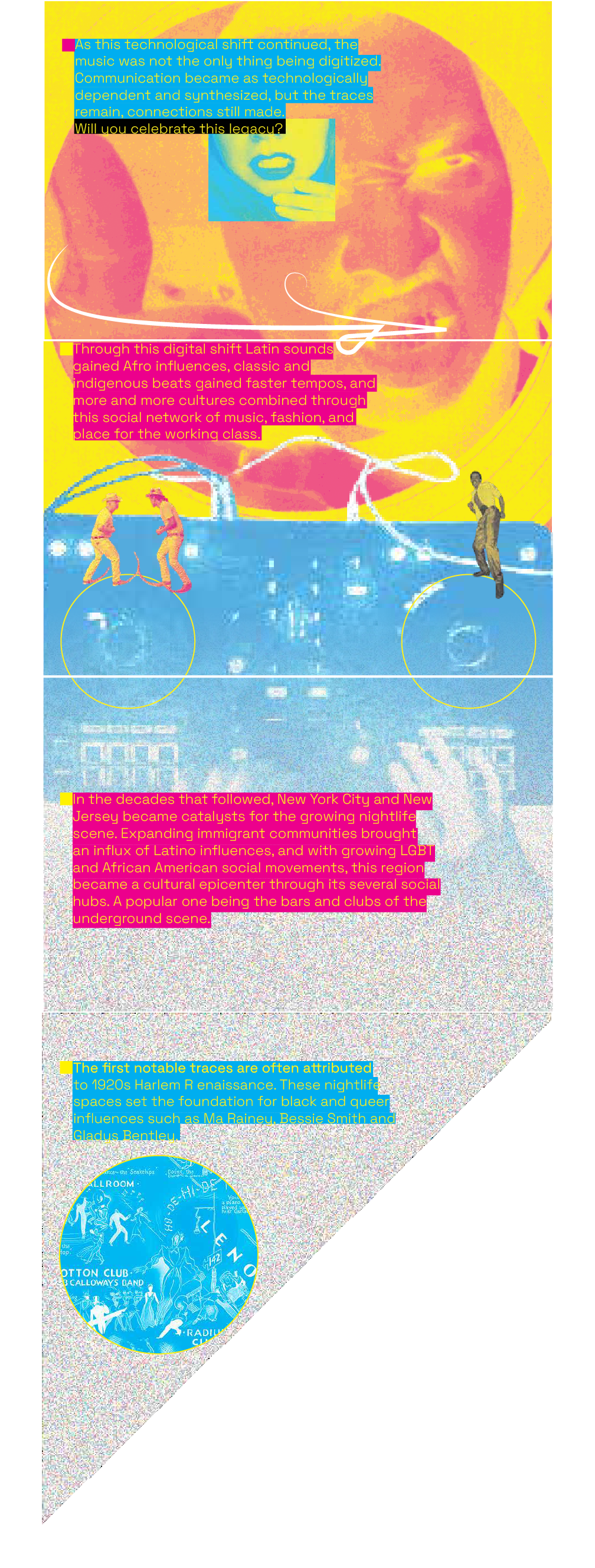
Additionally, through the sequential fold out of each panel a narrative system is created in how the viewer reads the written timeline of this legacy starting from 1920s to present day. The final fold reveals a poster from the series for people to collect.
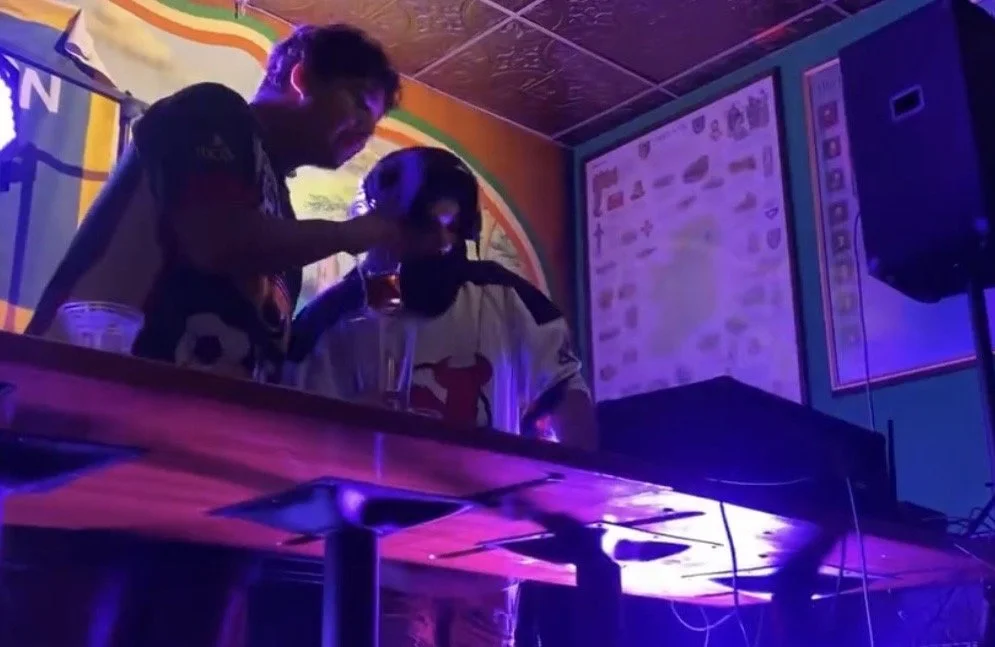
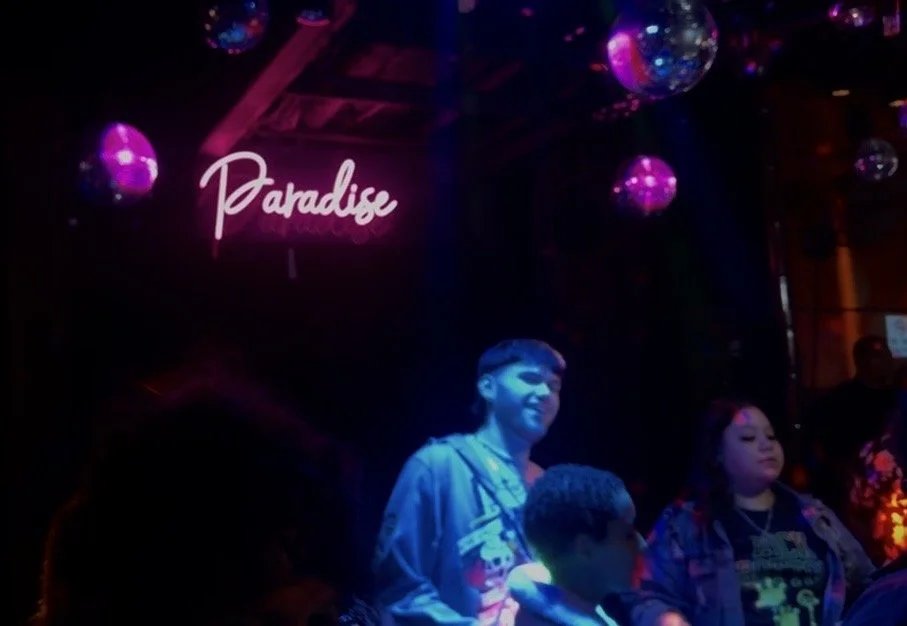
Everything featured was shot on my cell phone camera and later edited in Adobe Software. Through this system of research I not only was able to find and highlight a community through first-hand experience, but also hear stories and anecdotes which helped guide my research I later did through library and state archives.
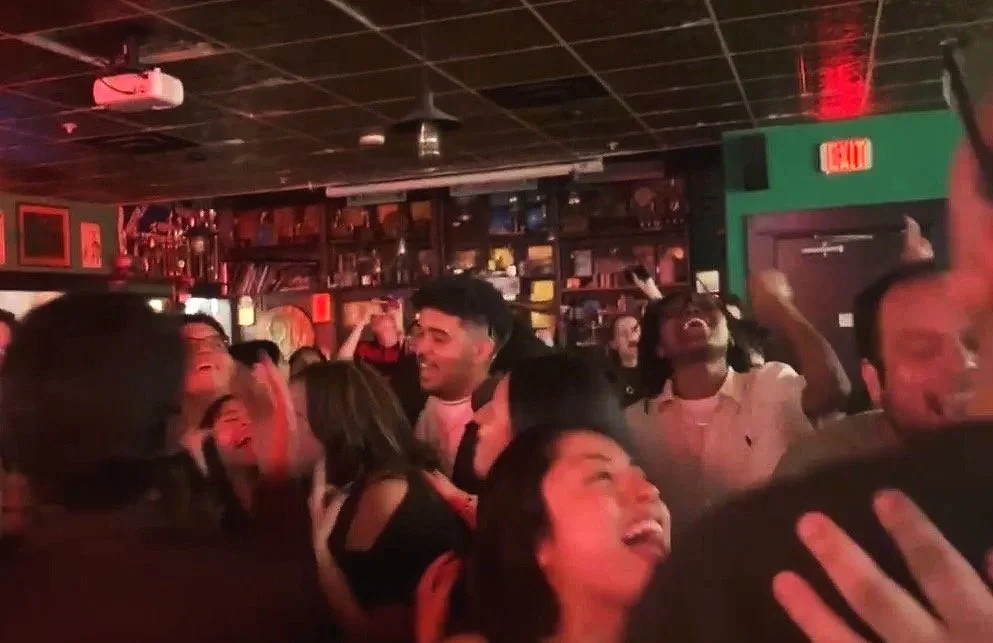

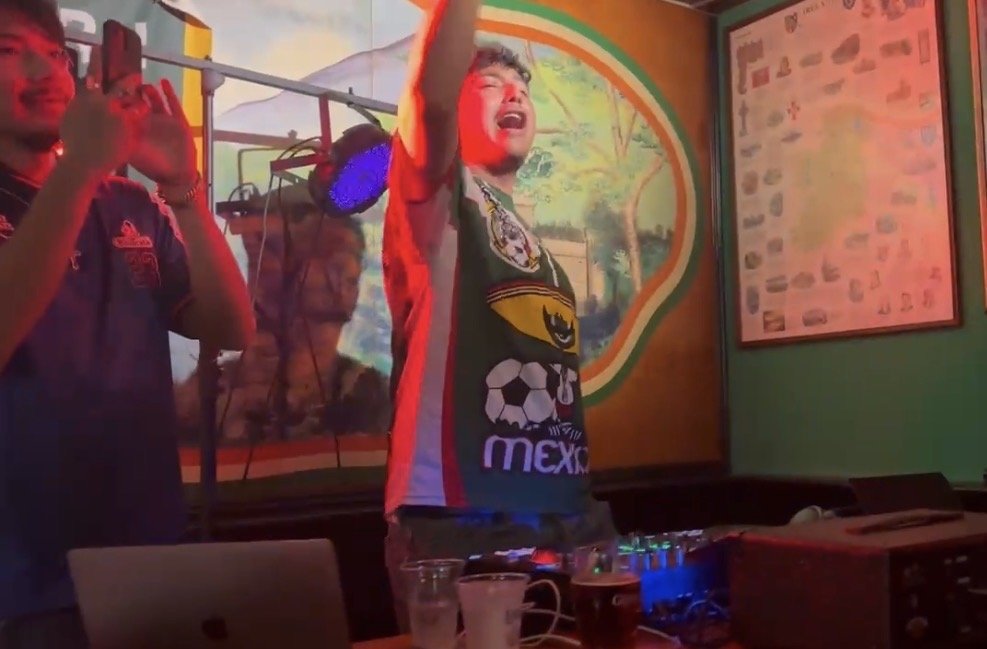
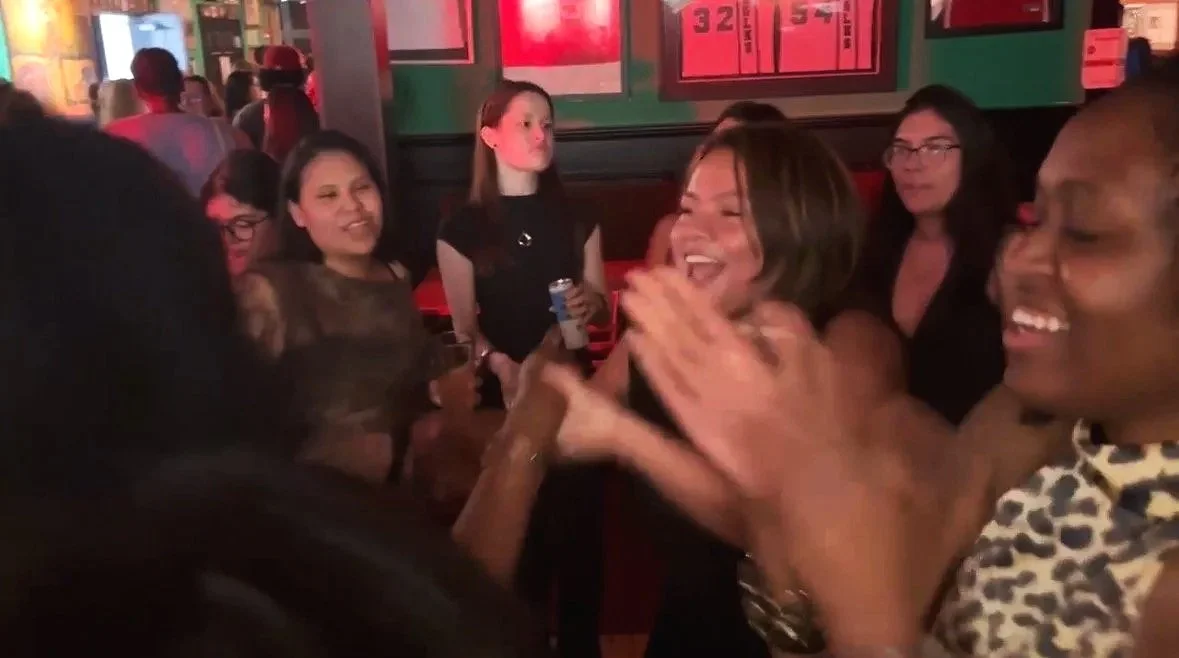
McGovern’s Tavern, April 16, 2026
Medium 2: Remembering Last Night (motion piece)
In establishing the historical nuance of nightlife culture, understanding how these influences have taken shape in modern-day culture plays a critical role in the documentation of nightlife tracework. Remembering Last Night takes self-made footage from my site-research and puts it into a time-based format that identifies moments and people that help keep the legacy alive. The documentation includes videos from the New York City underground hip-hop/ DJ scene in conjunction with interviews with figures who directly work within the scene and animations/ kinetic type. The videos are paired with audio by 1920s blues artist Ma Rainey and modern-day DJ Miguelitomix to suggest the transition between classic beats to the contemporary digitized format.
Poster Series
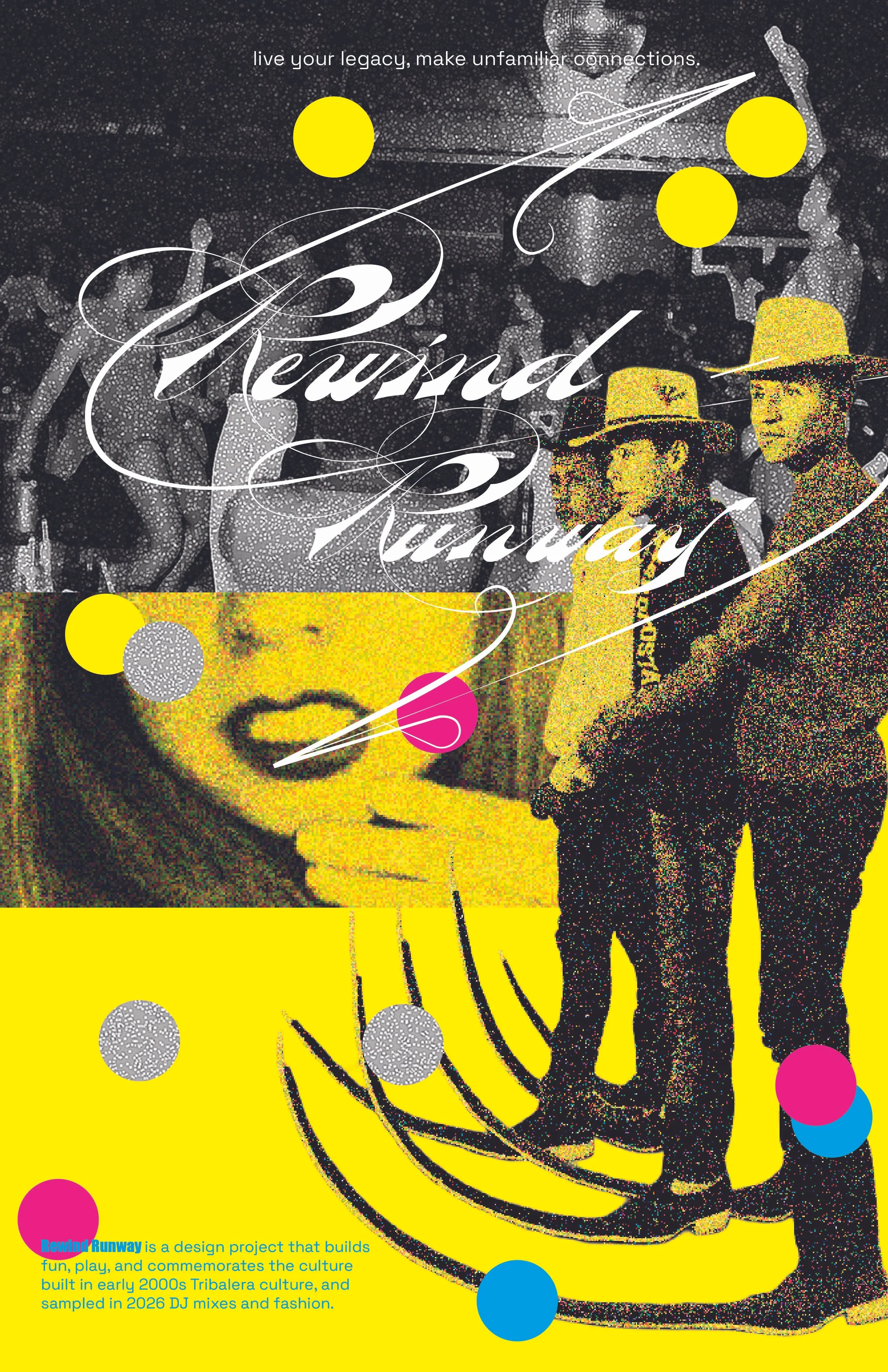
My poster series features a collection of 4 posters that identify with the sequential order of CMYK color palette, in keeping with the bold tone of the topic. Each poster goes in the order of C, M, Y, K to depict a chronological timeline of nightlife legacy. All posters feature images collected from library and state archives that were either public record online or requested print access.
Wristbands
As part of the print matter that leaves traces after a party are wristbands used to get into events/ spaces. They exist as social signals when they are worn and as ephemera when removed. Often, like posters, these are collected by party goers to exist as a reminder of that night.